analytics

How Debt & Equity Financing Works for Infrastructure Projects in Pakistan

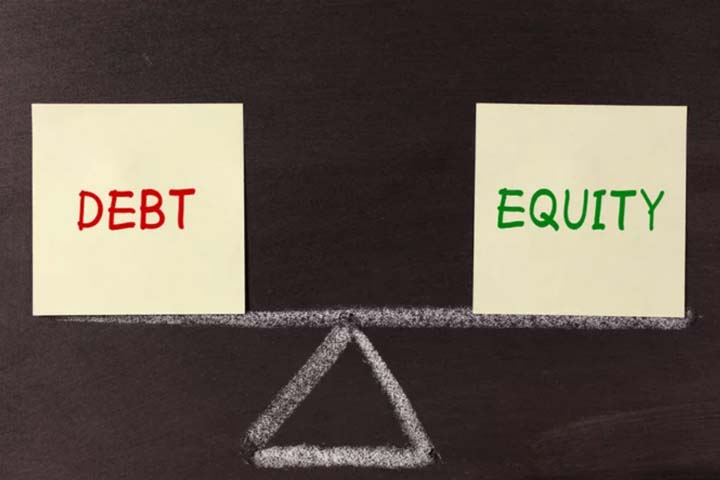
Debt vs Equity

If you’ve ever wondered how massive projects like the Swat Motorway, Sahiwal Power Plant, or new solar farms get funded in Pakistan, the answer lies in two powerful words: Debt and Equity.

These are the twin engines that power infrastructure development worldwide, and Pakistan is no exception. Understanding how they work together is crucial for anyone involved in – or curious about – building Pakistan’s future.

The Basic Difference: Debt vs Equity

Let’s start with a simple analogy. Imagine you want to buy a car:

  • Debt Financing is like taking a loan from a bank. You own the car, but you must make regular payments to the bank until the loan is paid off.
  • Equity Financing is like asking a friend to buy the car with you. Your friend owns a share of the car, and you share both the benefits and risks.

In infrastructure terms:

  • Debt = Money borrowed from banks/financial institutions that must be repaid with interest
  • Equity = Money invested by owners/sponsors who become partial owners of the project

Why This Mix Matters for Pakistan's Infrastructure

Most major infrastructure projects in Pakistan use a combination of both debt and equity. This is called the “project finance” model, and it’s particularly suited for Pakistan because:

  1. Risk Sharing – spreads risk between multiple parties
  2. Larger Funding – enables bigger projects than either could fund alone
  3. Better Terms – makes financing more affordable
  4. Professional Oversight – brings multiple experts to the table

Debt Financing: The Backbone of Project Funding

What is Project Debt?

Debt financing typically provides 70-80% of total project costs in Pakistan’s infrastructure sector. This means for a $100 million solar power project, banks might lend $70-80 million.

Common Sources of Debt in Pakistan:

  • Local Commercial Banks (HBL, UBL, MCB)
  • Development Finance Institutions (DFIs)
  • International Lenders (World Bank, Asian Development Bank)
  • Islamic Banks (for Sharia-compliant financing)

Key Debt Requirements in Pakistan:

  • Lenders typically require:
  • Debt Service Coverage Ratio (DSCR) of 1.25x or higher
  • Project Feasibility Study
  • Secure Revenue Streams (like PPAs for power projects)
  • Collateral and Guarantees

Equity Financing: The Foundation of Project Credibility

What is Project Equity?

Equity represents the owner’s stake in the project – typically 20-30% of total costs. This is the “skin in the game” that shows serious commitment.

Common Equity Sources in Pakistan:

  • Project Sponsors/Developers
  • Private Equity Funds
  • International Investors
  • Government Entities (in PPP projects)
  • High Net-Worth Individuals

Why Equity Investors Take the Risk:

Equity investors accept higher risk because they expect higher returns – typically through:

  • Dividends during project operation
  • Capital Gains when selling their stake
  • Tax Benefits available in certain sectors

The Typical Financing Structure for Pakistani Projects

Most successful infrastructure projects in Pakistan follow this pattern:

Phase 1: Equity First

  • Sponsors invest initial equity (10-15%)
  • Used for development costs, feasibility studies, early permits

Phase 2: Debt Arrangement

  • Once key milestones are met, debt financing is secured
  • Typically 70-80% of total project cost

Phase 3: Construction

  • Combined debt and equity funds construction
  • Lenders disburse funds based on progress milestones

Phase 4: Operation & Repayment

  • Project generates revenue
  • Debt is repaid from cash flows
  • Equity investors receive returns

Real Examples from Pakistan's Infrastructure Landscape

Solar Power Projects

A typical 50MW solar project in Pakistan might cost $35 million, financed as:

  • $7 million Equity (20%) from project sponsors
  • $28 million Debt (80%) from local and international banks

Motorway Projects

The Swat Motorway Phase II used a mix of:

  • Private equity from construction companies
  • Debt financing from commercial banks
  • Some government funding

Key Financial Metrics That Matter in Pakistan

For Debt Providers:

  • DSCR (Debt Service Coverage Ratio): Must be above 1.25x
  • Loan Life Coverage Ratio: Measures long-term repayment ability
  • Interest Rate: Typically KIBOR + 3-5% in Pakistan

For Equity Investors:

  • IRR (Internal Rate of Return): Typically 15-20% expected returns
  • Payback Period: Usually 5-7 years for infrastructure projects
  • ROE (Return on Equity): Annual returns on invested capital

Challenges in Pakistan's Financing Landscape

Debt Financing Challenges:

  • High interest rates compared to international markets
  • Limited long-term financing availability
  • Complex security requirements
  • Regulatory hurdles

Equity Financing Challenges:

  • Limited local equity market depth
  • Currency exchange risks for international investors
  • Political and regulatory uncertainties
  • Exit challenges for investors

How to Improve Your Project's Bankability in Pakistan

For Better Debt Terms:

  • Secure long-term revenue contracts (PPAs, toll agreements)
  • Maintain strong DSCR throughout project life
  • Provide adequate collateral and guarantees
  • Choose experienced EPC contractors

For Attracting Equity:

  • Demonstrate strong project economics
  • Show experienced management team
  • Provide clear exit strategy
  • Offer competitive returns

The Role of Professional Advisors

Navigating Pakistan’s complex financing landscape requires expert guidance. Professional firms like Analytics Consulting help by:

  • Structuring optimal debt-equity mix
  • Preparing bankable financial models
  • Identifying suitable lenders/investors
  • Negotiating financing terms
  • Managing regulatory compliance

Our expertise has helped secure financing for numerous projects across Pakistan’s energy, infrastructure, and development sectors.

Future Trends in Pakistani Project Financing

Emerging Opportunities:

  • Green Financing for renewable energy projects
  • Islamic Finance structures growing in popularity
  • International DFIs increasing Pakistan exposure
  • Digital Infrastructure attracting new investor types

Evolving Challenges:

  • Climate Risk assessment becoming crucial
  • ESG Requirements gaining importance
  • Local Currency Financing needs increasing
  • Technical Bankability standards rising

Conclusion: Building Pakistan's Future

Understanding debt and equity financing is not just for bankers and investors, it’s essential knowledge for anyone involved in Pakistan’s development journey. The right financing mix can transform a good project idea into a nation-building reality.

As Pakistan continues its infrastructure development journey, the sophisticated use of both debt and equity will become increasingly important. By understanding these financing tools and working with experienced advisors, project developers can contribute to building the Pakistan of tomorrow – with better roads, reliable power, clean water, and modern facilities for all.

FAQs

Most frequent questions and answers

For most bankable infrastructure projects in Pakistan, the standard debt-to-equity ratio is 70:30 to 80:20. This means lenders typically finance 70-80% of the project cost, while sponsors must contribute 20-30% as equity. This ratio can be negotiated based on the project’s risk profile, the strength of the off-taker agreement (like a PPA), and the sponsors’ creditworthiness. Projects with stronger guarantees and lower perceived risk may secure slightly more favorable terms.

Your primary obligation is to deliver the agreed-upon financial returns and provide transparent reporting. Equity investors in Pakistani infrastructure typically expect an Internal Rate of Return (IRR) between 15% and 20%, given the country’s risk profile. Returns are realized through dividends distributed from project cash flows after debt servicing. The investment horizon is usually long-term, aligned with the project’s life of 20-25 years.

Banks require several key documents to approve financing. The most important ones include a detailed Feasibility Study, a strong Financial Model, all signed Project Agreements (like Power Purchase Agreements and construction contracts), complete Regulatory Approvals (from NEPRA and other agencies), and a solid Security Package with guarantees. These documents show lenders that your project is well-planned, legally compliant, and financially secure.

This is a critical risk. Typically, the first step is a formal default notice from the lenders, triggering a cure period. To avoid this, projects maintain a Debt Service Reserve Account (DSRA)—a cash reserve covering 3-6 months of debt payments. If problems persist, lenders may enforce the security, potentially taking control of the project’s assets and cash flows. Proactive engagement with lenders to restructure terms is always preferable, which is why realistic financial modeling and conservative cash flow planning from the outset are essential.