analytics

Developing a Solar Power Project in Pakistan: A Step-by-Step Guide from Land to Grid

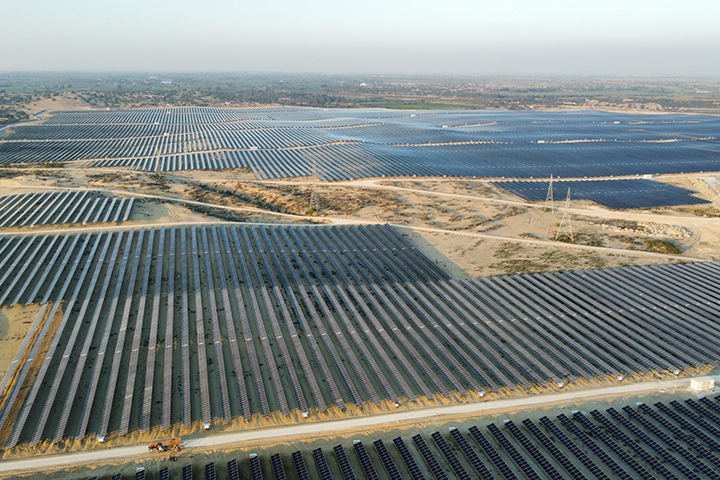
Solar Plants in Pakistan

Solar energy is lighting the way for Pakistan’s future. With over 300 sunny days a year in most regions, the potential is enormous. For businesses, investors, and developers, building a solar power project is a smart way to contribute to energy security and achieve strong financial returns.

However, the journey from an empty plot of land to a grid-connected power plant involves many critical steps. Missing one can lead to delays, extra costs, or even project failure. This guide provides a clear, step-by-step roadmap for developing a solar power project in Pakistan, from the initial idea to sending electricity to the national grid.

Phase 1: Concept & Feasibility (Months 1-4)

Before spending significant money, you must confirm your project is viable.

Step 1: Preliminary Site Identification & Assessment

The first decision is where to build. A good site is more than just cheap land.

  • Solar Resource: Use solar maps or historical data to confirm high Global Horizontal Irradiation (GHI). Southern Punjab, Sindh, and Balochistan are prime zones.
  • Land Title & Access: Ensure the land has a clear, marketable title. It must be easily accessible for heavy construction vehicles and near a grid interconnection point.
  • Topography & Environment: Relatively flat land minimizes earthwork. A basic environmental screening checks for any protected areas or sensitive ecosystems.

Step 2: Pre-Feasibility Study

This initial study answers the big question: Is this project worth pursuing?

  • Initial Energy Yield Estimate: How much electricity (in kWh) can the site realistically produce each year?
  • High-Level Costing: Rough estimates for panels, inverters, land, and construction.
  • First Financial Model: A basic model to see if the projected revenues make sense compared to costs.
  • Go/No-Go Decision: Based on this study, you decide whether to invest in the detailed, bankable feasibility study.

Phase 2: Development & Approvals (Months 5-10)

This phase is about turning your viable concept into a legally sanctioned, finance-ready project.

Step 3: Detailed Technical & Bankable Feasibility Study

This is the core document for attracting investors and lenders. A Bankable Feasibility Study (BFS) includes:

  • Detailed Design: Final panel technology choice, layout, inverter selection, and single-line diagram.
  • Precise Energy Yield: Advanced software modeling for hourly production forecasts.
  • CAPEX & OPEX: Firm capital expenditure and operational expenditure budgets.
  • Financial Model: A robust, stress-tested model showing key metrics like Internal Rate of Return (IRR) and Debt Service Coverage Ratio (DSCR).

Step 4: Securing Mandatory Regulatory Approvals

In Pakistan, you cannot proceed without these key licenses.

  • Letter of Intent (LOI) from AEDB: The Alternate Energy Development Board issues the LOI, granting you the right to develop a project of a specific capacity at your chosen location.
  • Generation License from NEPRA: The National Electric Power Regulatory Authority grants the formal license to generate electricity. This involves submitting your Feasibility Study, tariff petition, and undergoing a public hearing.

Step 5: The Power Purchase Agreement (PPA)

This is your project’s revenue contract. For most projects, you will sign a PPA with the Central Power Purchasing Agency (CPPA-G). The tariff is often determined through NEPRA’s competitive bidding or cost-plus process. The PPA locks in your electricity price for 20-25 years, making the project bankable.

Phase 3: Financing & Procurement (Months 10-14)

With approvals in hand, you can now secure the money to build.

Step 6: Financial Structuring & Closing

Most projects use a 70:30 or 80:20 debt-to-equity structure.

  • Equity: The sponsor’s own investment (20-30% of total cost).
  • Debt: A loan from banks or financial institutions (70-80% of cost). Lenders will rigorously review your BFS, PPA, and licenses before approving.
  • Financial Close: The milestone where all financing conditions are met, and funds are released.

Step 7: EPC Contractor Selection

You will hire an Engineering, Procurement, and Construction (EPC) contractor through a competitive bid.

  • Key Criteria: Don’t just choose the lowest price. Evaluate the contractor’s experience in Pakistan, technology proposed, performance guarantees, and track record of on-time completion.
  • The EPC Contract: This complex agreement must clearly define scope, timeline, penalties for delay (liquidated damages), and performance guarantees.

Phase 4: Construction & Commissioning (Months 15-22)

This is where your project becomes physical reality.

Step 8: Construction & Monitoring

The EPC contractor mobilizes to the site. Your role is to monitor progress and quality.

  • Site Preparation: Clearing, fencing, leveling.
  • Installation: Mounting structures, wiring, placing panels and inverters.
  • Independent Engineer: It is wise to hire a third-party “Owner’s Engineer” or “Lender’s Engineer” to independently monitor construction quality and progress on your behalf.

Step 9: Grid Interconnection & Testing

Your plant must be physically and technically connected to the national grid.

  • Interconnection Agreement with DISCO/NTDC: Formal agreement with the local distribution company or National Transmission & Despatch Company for grid connection.
  • Testing & Commissioning: All systems are rigorously tested to ensure they meet technical standards and safety codes.

Step 10: Commercial Operation Date (COD)

This is the final, celebratory milestone.

  • Final approval from NEPRA that the plant is ready.
  • The PPA becomes active, and you start selling electricity to CPPA-G.
  • Revenue generation begins, starting the 20-25 year operational life of the asset.

Common Pitfalls and How to Avoid Them

Land Title Issues:

Conduct a thorough legal due diligence before purchasing land to avoid future disputes.

Underestimating Grid Costs:

The cost of connecting to the grid (extending lines, building substations) can be high. Get written estimates from the DISCO early on.

Choosing the Wrong EPC Partner:

A cheap but inexperienced contractor can cause massive delays and quality problems. Due diligence is critical.

Ignoring O&M:

Planning for Operation & Maintenance (O&M) after construction is too late. Include a long-term O&M plan and budget in your initial feasibility study.

The Value of an Expert Guide

This process is complex and intersects with engineering, law, finance, and regulation. A professional advisory firm like Analytics Consulting acts as your navigator. We provide:

  • End-to-End Project Management: Guiding you through each phase.
  • Bankable Feasibility & Financial Modeling: Creating the documents that secure funding.
  • Regulatory Navigation: Managing the entire process with AEDB, NEPRA, and CPPA-G.
  • Transaction Advisory: Leading EPC tendering and PPA/financing negotiations on your behalf.

Conclusion: From Sunshine to National Grid

Developing a solar power project in Pakistan is a detailed but highly rewarding journey. By following a structured, step-by-step approach; from meticulous site selection and securing robust licenses to choosing the right partners and achieving financial close; you can successfully transform Pakistan’s abundant sunlight into a reliable, clean source of power and a stable, long-term investment.

The solar future is bright for Pakistan. With careful planning and expert guidance, you can be a key part of building it.

FAQs

Most frequent questions and answers

The most critical early-stage document is the Letter of Intent (LOI) issued by the Alternate Energy Development Board (AEDB). This official document grants you the exclusive right to develop a project of a specific capacity at your chosen location. It is the formal entry point into the government’s approval process and is a prerequisite for applying to NEPRA for a Generation License and negotiating a Power Purchase Agreement (PPA).

For a well-managed, mid-sized utility-scale project (e.g., 50-100 MW), the entire development and construction timeline typically ranges from 24 to 36 months. This includes approximately 12-18 months for the development phase (land, feasibility, LOI, NEPRA license, PPA, financing) and another 12-18 months for construction, grid interconnection, and commissioning. Delays most commonly occur during regulatory approvals and financial close.

The primary construction risks are timeline overruns and cost overruns, often caused by delays in equipment imports/customs, unforeseen site conditions, or contractor performance issues. These are best managed by hiring an experienced EPC contractor with a strong track record in Pakistan, securing fixed-price, date-certain EPC contracts with liquidated damages, and appointing an independent Owner’s Engineer to supervise construction quality and progress on your behalf.

The choice depends on your primary goal. A grid-connected project under a PPA with CPPA-G offers a stable, long-term revenue stream (20-25 years) but involves complex regulations and tariff approvals. A captive power project (for your own industrial use) bypasses much of the regulatory complexity and provides immediate, significant cost savings on electricity bills, but does not generate direct revenue. The financial model and bankability requirements differ significantly between the two.